

Understanding the language makes you sharper when pricing, forecasting, or evaluating a deal. These 24 terms will create the foundation on which you’ll build your knowledge. It’s what tells you if your sales are actually profitable — not just impressive on paper. If forensics brings up images of NCIS crime scenes, your deductive skills are up to par! Forensic accounting does require a certain degree of digging and detective work. This page includes information about these cards, currently unavailable on NerdWallet.
How Accounting Shows Up in Sales
- Their expertise helps to ensure compliance with tax laws and regulations, and provides valuable insights for decision-making and strategic planning.
- QuickBooks is a popular accounting software program that offers a wide range of features to help businesses manage their finances.
- When someone creates a purchase order, that PO shows up in your ERP with the job number, cost code, and line items already attached.
- Accounting plays a crucial role in the decision-making process of a business.
- This highlights how Accounting is essential for day-to-day operations and long-term financial planning.
For example, revenue recognition rules under GAAP ensure that companies report earnings only when they are earned and realizable, preventing misleading financial statements. By adhering to these standards, businesses build trust with investors and maintain their credibility in the marketplace. For instance, a small business owner might use accounting to track cash flow and ensure there are sufficient funds to pay suppliers.

Key Principles of Accounting
Additionally, maintaining accurate and up-to-date records ensures adherence with tax regulations, streamlining the tax filing procedure and avoiding potential penalties. This highlights how Accounting is essential for day-to-day operations and long-term financial planning. A subset of managerial Accounting focuses on calculating and managing costs related to products and services to optimise profitability. Accounting entails organising data into meaningful reviews, together with balance sheets and earnings statements, that help stakeholders in making informed choices. Accounting is more than simply managing numbers; it’s also known as the language of commercial enterprise. These figures show profitability, cash position, operational efficiency, and financial health.
Bank Reconciliation
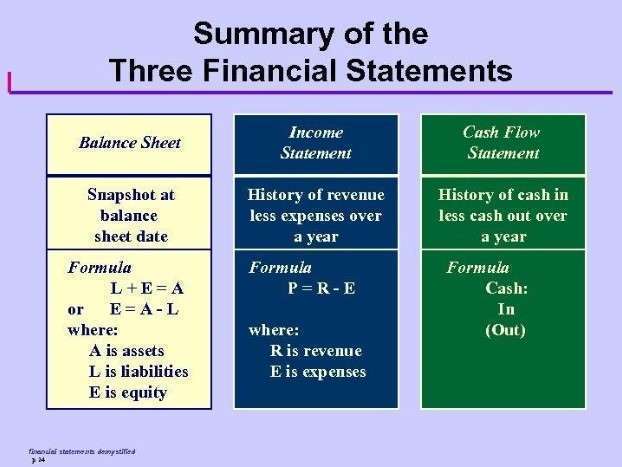
In the scenario of a company in a high-risk industry, understanding which assets are tangible and intangible helps to assess its solvency and risk. Each of the three financial statements has an interplay of information. Financial models use the trends in the relationship of information within these statements, as well as the trend between periods https://www.rondhon.co.uk/bookkeeping/online-bookkeeping-services-for-small-businesses/ in historical data to forecast future performance. For example, due to rapid technological advancements, a straight line depreciation method may not be suitable for an asset such as a computer. It would be inaccurate to assume a computer would incur the same depreciation expense over its entire useful life.
- Managers use financial reports to evaluate the performance of the company, identify areas that need improvement, and develop strategies to increase revenue, reduce costs, and improve profitability.
- In fact, if your focus is sales, it’s smart to delegate the parts that pull you out of your zone.
- But in today’s fast-moving, digital-first economy, accounting isn’t just about compliance or recordkeeping.
- Necessary expenses are those that are deemed appropriate, such as interest, taxes, advertising, maintenance, utilities and insurance.
The system of accounting helps to ensure https://www.bookstime.com/ that a company’s financial statements are legally and accurately reported. Accounting is a term that describes the process of consolidating financial information to make it clear and understandable for all stakeholders and shareholders. The main goal of accounting is to record and report a company’s financial transactions, financial performance, and cash flows. In addition, financial statements disclose details concerning economic resources and the claims to those resources. The main types of accounting include financial accounting, managerial accounting, tax accounting, and cost accounting. Each type serves a specific purpose, such as preparing financial statements or supporting internal decision-making.
Resources
I use tools like Expensify or even just a folder of tagged email receipts to log this quickly. I keep digital folders for receipts, use tags in my inbox for invoices, and sync all payments through one tool so nothing gets missed. If you’re scaling through sales, this document helps you assess whether your growth is sustainable or just temporarily padded by short-term wins. The higher the gross margin, the more room you have to reinvest in growth, take on riskier deals, or handle slower months. It’s one of the clearest indicators of how well your sales translate into real income.

Procurement to accounting integration means your purchasing system and your accounting system share data automatically. When someone creates a purchase order, that PO shows up in your ERP with the job number, cost code, and line items already attached. For example, understanding which assets what is accounting are current assets and which are fixed assets is important in understanding the net working capital of a company.
The following are some of the types of records you should keep:
Bookkeeping is an essential component of accounting operations, involving the recording of financial transactions in a systematic manner. The general ledger is a key tool used in bookkeeping, which contains all the accounts and transactions of a business. Refunds are often the result of miscalculated quarterly estimated tax payments.