

When we consume alcohol, it enters the bloodstream and affects various organs, including the liver, lungs, and gastrointestinal (GI) tract, which play crucial roles in immune health. Reduced white blood cell count and production can compromise the body’s immune response and increase the risk of autoimmune diseases and infectious diseases affecting the body, as well as slowing the healing processes. One key difference between acute and chronic effects lies in the body’s ability to recover. After acute exposure, the immune system can partially rebound once alcohol is metabolized, though https://ablazeutk.com/drunk-without-drinking-why-the-fuzzy-head/ repeated episodes can accumulate damage.
- Standard drug therapy for TB currently involves 9 months of taking the medications isoniazid and rifampin or 6 months of taking isoniazid, rifampin, and pyrazinamide.
- Alcohol attacks the immune homeostasis in our body, as a result of which our body finds it difficult to work against various types of physical traumas.
Unveiling Hidden Potential: Organoids for Disease Modeling in Neuroscience Research
The adaptive immune system can be further subdivided into cell-mediated immunity and humoral immunity. Whereas T-cells are primarily involved with cell-mediated immunity, B-cells play a major role in humoral immunity. You can lower the risk of alcohol impacting your immune system by drinking less.
COVID-19
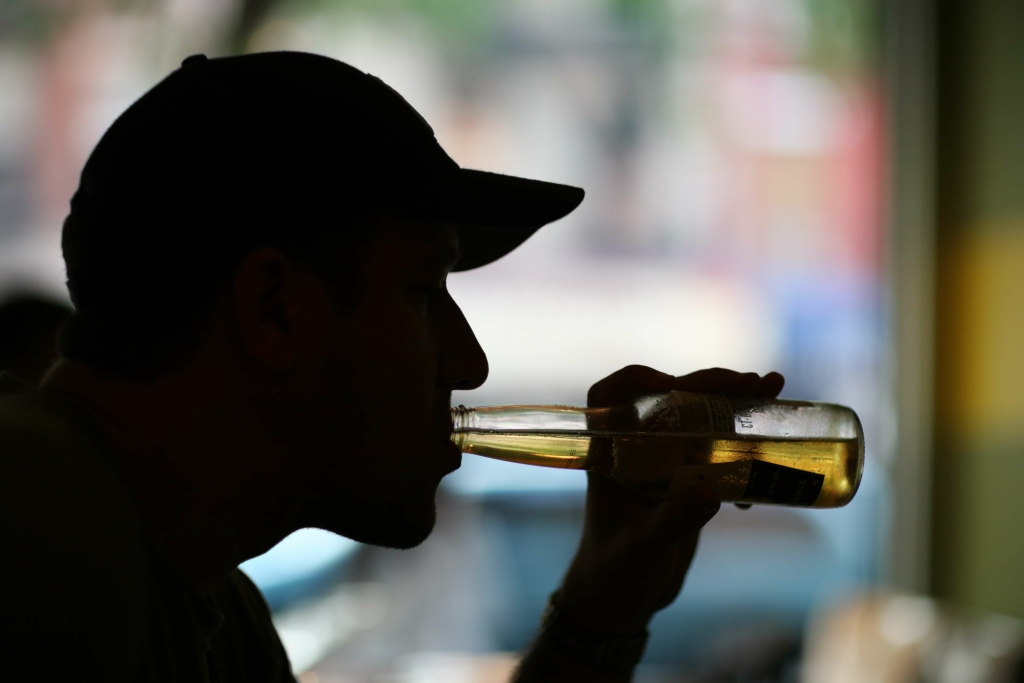
Finally, chronic alcohol use exacerbates the risk of infections by promoting systemic inflammation and oxidative stress, which can damage tissues and organs, making them more susceptible to infection. It also impairs the body’s ability to heal wounds, increasing the risk of localized infections. For individuals Alcohol Use Disorder with pre-existing conditions like diabetes or liver disease, which are often exacerbated by alcohol, the risk of infection is even higher. Reducing alcohol intake is crucial to restoring immune function and lowering the risk of infections, highlighting the importance of moderation or abstinence for overall health. Consistent or heavy drinking can impair immune cell function and disrupt the balance of inflammation and cell repair. Chronic alcohol intake lowers lymphocyte counts, reduces white blood cell effectiveness, and increases the risk of bacterial and viral infections.
- EHN Guardians Gateway offers addiction treatment exclusively for military, veterans and first responders.
- Reducing alcohol intake may be particularly beneficial for those with a family history of autoimmune diseases or those already experiencing symptoms.
- It’s important to note that while moderate alcohol consumption may not have a significant impact on sleep quality or immune system function in healthy individuals, excessive drinking can have detrimental effects on both.
What are the short-term effects of alcohol on the immune system?
This is particularly critical during cold and flu season or in the context of global health challenges, such as the COVID-19 pandemic. These cells carry immune proteins (i.e., antibodies, or immunoglobulins) on their surface that recognize and bind to antigens. Like T cells, each B cell also recognizes only one specific antigen and becomes activated when it comes into contact with it.

How alcohol impacts the gut

Researchers also are investigating the mechanisms underlying the differential effects of chronic and acute alcohol use on alcohol and immune system the immune system. For example, the increased levels of inflammatory cytokines observed in alcoholics contrast with the decreased inflammatory response seen after acute alcohol treatment. Alcoholics are considered “immuno-compromised hosts” because the incidence and severity of infections are increased in these patients. Infections with pathogens that reside within the host’s cells and cause diseases such as pneumonia or tuberculosis are especially prevalent. Thus, alcoholics have an increased incidence of pneumococcal pneumonia compared with the general population, and despite the use of antibiotics, the mortality among these patients remains disturbingly high (15 to 77 percent).